
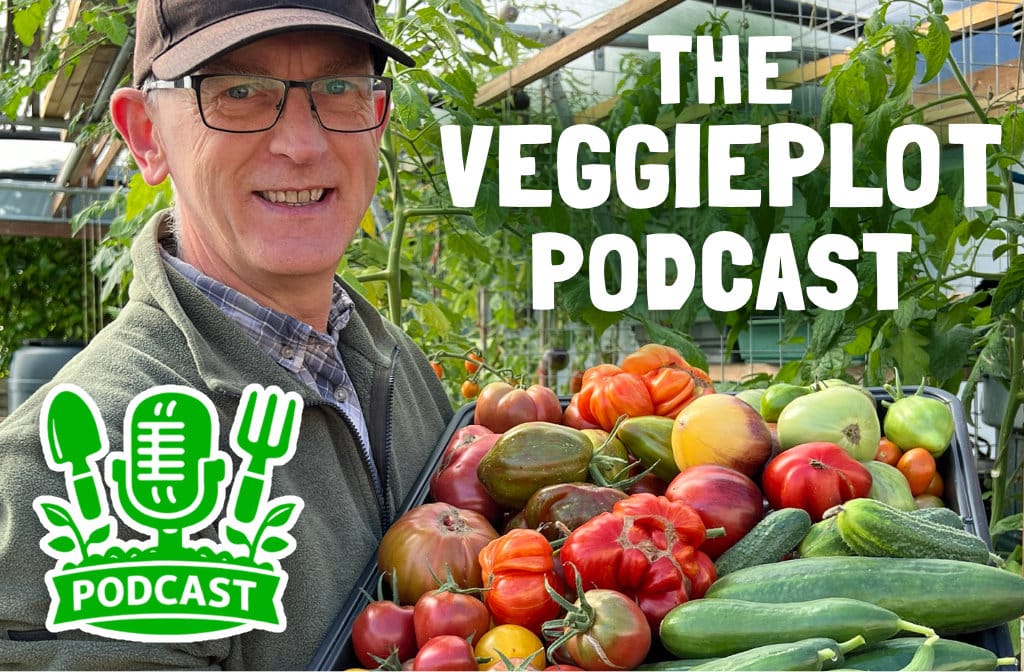
Episode Description
January often feels like a quiet, waiting month on the allotment — but it’s actually one of the most important times of the year.
In this episode of The VeggiePlot Podcast, I talk through 20 practical allotment jobs for January that gently set you up for a successful growing season ahead. From checking seed stocks and ordering early, to sowing chillies, sweet peas and onions, pruning fruit trees, planting bare-root fruit, and simply taking time to walk the plot and make notes, this episode is all about calm, steady progress.
Whether you’re itching to get started or just want reassurance that you’re not falling behind, this episode offers practical advice, seasonal insight, and a slower, more thoughtful approach to winter gardening.
Perfect listening for a quiet walk, a pottering session in the greenhouse, or planning the year ahead with a cup of tea.
Show Notes
January isn’t about rushing — it’s about preparing, observing, and making thoughtful decisions that shape the entire growing year. In this solo episode, I share 20 realistic and achievable allotment jobs you can dip into throughout the month, whatever your space or energy levels.
In this episode, I cover:
- Why January matters more than it first appears
- Checking and organising seed stocks
- Ordering seeds early to avoid disappointment
- Sowing chillies, sweet peppers and aubergines for a long growing season
- Starting sweet peas for strong early plants
- Chitting first early potatoes
- Winter pruning apple and pear trees
- Buying and planting bare-root fruit trees and bushes
- Preparing no-dig beds or carrying out light winter digging
- Cleaning and disinfecting pots, trays and tools
- Repairing and tidying the greenhouse or polytunnel
- Mulching fruit trees and perennial beds
- Forcing rhubarb for early stems
- Starting onion seeds indoors
- Checking stored crops for spoilage
- Planning simple crop rotations
- Growing microgreens indoors for quick harvests
- Inspecting fences, sheds and water butts after winter weather
- Taking a quiet walk around the plot and making notes for the year ahead
This episode is designed to be reassuring, practical, and flexible — not a checklist to race through, but a seasonal guide you can return to throughout January.
Helpful links
- Subscribe to The VeggiePlot Podcast on your favourite podcast app.
- Share the episode with a fellow gardener who might need a gentle January nudge.
Transcription
January often gets written off as a quiet month in the garden. Cold, damp, nothing really happening. But here’s the thing. January is actually one of the most important months of the entire growing year. Not because of what you’re harvesting, but because of what you’re deciding. What you sow now, what you prepare now, what you notice now. Those choices quietly shape everything that follows. So today,
I’m taking you through 20 allotment jobs for January. Practical, realistic jobs that you can dip in and out of whether you’ve got a whole plot, a few raised beds or just a windowsill and a notebook. No rushing, no pressure, just calm, steady, pro.
Hello and welcome back to the VeggiePlot podcast.
Tips, tales and inspiration from the garden.
I’m Chris and today’s episode is all about January jobs on the allotment.
The kind of jobs that set the tone for the whole year ahead without asking too much of you in the depths of winter.
There’s no guest today, just you and me having a steady wander through the plot. Talking through what can be done now, what’s worth doing and what can absolutely wait.
If you’re feeling keen, this episode will give you plenty to get stuck into. But if you’re feeling tired and overwhelmed after Christmas and the New Year, or fed up just with the weather, that’s fine too. You’ll still come away with a plan.
Number 1. Right, let’s start exactly where every growing year really begins. So the first on my list is for checking your seed stocks. January is seed checking month, not
seed buying month. We’ll come to that in a minute, but checking what you already have. I like to tip everything onto a table. Old tins, shoe boxes, drawers, envelopes stuffed with half-used packets. It always looks chaotic for five minutes and then suddenly it makes sense again. Check dates, but don’t panic about them. Some seeds, like parsnips, really do want to be fresh, but others, like brassicas, will often germinate
perfectly well a year or two beyond their date if they’ve been stored properly. What you’re really looking for here is clarity. What do you actually have? What did you grow last year and enjoy? What’s been sitting untouched for three seasons? I often keep packets even if I know I won’t sow them again. Not as clutter, but as a record. They tell a story about what worked, what didn’t, and what I’ve learned.
Number 2 on my list is order seeds early. Once you know what you’ve got, you’ll know what’s missing and January is the time to order. Seed companies get busy. Popular varieties sell out, deliveries slow down and suddenly it’s March and you’re making panicked substitutions. Ordering early gives you choice, it gives you calm and it gives you time to actually read the packets and plan properly.
I always recommend sticking mostly to varieties you know and trust with a handful of experiments each year. Too many new things at once sounds exciting but it’s surprisingly stressful when everything behaves differently. January seed ordering is about confidence, not novelty.
Number 3 on my list is sow chili and sweet pepper seeds. Now we get into actual sowing. Chilis and sweet peppers are long season crops.
They’re slow out of the blocks and they really benefit from an early start. Sow them in fine compost, keep them consistently warm, around 20 to 25 degrees if you can, and be patient. They don’t rush. The biggest mistake here is overwatering. Damp, not wet, and plenty of light once they’re up, otherwise they’ll stretch and then sulk. There’s something very grounding about seeing those first pepper seedlings while it’s still dark outside at four o’clock.
Number 4 follows on from the chillies and peppers. It’s sowing aubergines. Aubergines are similar to peppers, but even more heat loving. They really need warmth to germinate and they take their time. If you want a decent crop in the UK, January sowing gives them the longest possible season. Treat them gently, warmth, light and no cold drafts. They’re not difficult, but they do expect comfort.
I always think of aubergines as polite but demanding guests. If you look after them, they properly early on, they reward you later.
Number 5 on my list is sow sweet peas for strong early plants. Sweet peas in January might feel early, but it’s one of the best things you can do. Sown now, kept cool and bright, they form strong root systems and sturdy plants that don’t flop at the first hint of spring warmth.
Use deep pots or root trainers if you have them. And once they’re up, don’t molly coddle them with too much heat. Cool conditions make tougher plants. By the time many people are sowing in March, yours will already be established and ready to romp away.
Number 6 is chit your first early potatoes. Chitting potatoes is one of those quite hopeful jobs. Set your seed potatoes out in trays or egg boxes, eyes facing upwards,
somewhere cool and light but frost free. You’re not forcing them, you’re just encouraging short sturdy shoots. By the time the soil warms up enough to plant they’ll already be awake and ready to go which means earlier harvests and stronger plants. It’s a small job but it feels like progress.
Number 7 is winter prune your apple and pear trees. If the weather’s dry and not freezing, January is ideal for pruning apples and pears. With the leaves gone, you can actually see the structure. Crossing branches, congested centers and weak growth, it all becomes obvious. The aim here is light air and balance. You’re shaping the tree for health and fruiting, not hacking it back for the sake of it.
Take your time. Step back often and remember you can always take more off but you can’t put it back on.
Number 8 is buy and plant bare root fruit trees. January is prime bare root season. Bare root trees are cheaper, establish well and often outgrow containerized trees in the long run. Choose varieties suited to your space and your soil. Plant them carefully.
Firm them in well and water if the ground is dry. You’re not planting for this year. You’re planting for years to come.
Number 9 is buy and plant bare root fruit bushes. The same applies to fruit bushes, currants, gooseberries and raspberries. Plant them while they’re dormant and they’ll settle in without stress. Think about spacing, airflow and future pruning. A bush that’s planted well now is much easier to manage later.
Number 10 is prepare your no dig beds or do some light winter digging. If you’re no dig January is about topping beds with compost and letting worms do the work. If you dig keep it light. Don’t work waterlogged soil that does more harm than good. Either way preparation now means less scrambling and spring.
Number 11 is clean and disinfect pots, trays and tools. Not glamorous, but effective. Old compost, algae and dirt harbour problems you don’t want next season. A bucket of warm water, a brush and a bit of disinfectant goes a long way. It’s one of those jobs you’ll thank yourself for later.
Number 12, repair and tidy the greenhouse or polytunnel. January is the month for fixing things while nothing’s growing. Tighten bolts, replace broken panes, check doors and vents. A tidy greenhouse in January is a joy in February. Mulch fruit trees and perennial beds.
Number 13, mulching now protects soil, feeds microbes and locks in moisture. Keep mulch away from trunks to avoid rot.
Think of it as a blanket, not a suffocating one, but just enough to keep things comfortable.
Number 14 is forcing rhubarb for early stems. If you grow rhubarb, January is the time to force a crown. Cover it with a pot or forcing jar, keep the light out and let it grow. You’ll get tender early stems weeks ahead of the usual season. It feels like cheating but in a good way. I’ve done this for a number of years now and the stems are bright pink sweet and beautiful. It’s really worth doing.
Number 15 is starting your onion seeds. January sown onions grow slowly, steadily and often outperform sets in the long run. Sow thinly, keep them cool and bright and don’t rush them. Strong seedlings now mean better bulbs later.
Number 16 is check stored crops. Now is the time to check stored potatoes, onions, squash and apples. Remove anything going soft or mouldy.
One bad apple really can spoil the rest.
Number 17 on the list is planning your crop rotation. Now January is a perfect time for planning. Definitely not the right time for digging. So use the time now to plan out how you’re going to rotate your crops into different beds to reduce pests and disease buildup in 2026. Even a simple rotation plan is better than none.
I like to write it down and then I know that in the future, next year, everything will go to plan.
Number 18 is have a go at growing microgreens. If you’re itching to grow something edible, microgreens now are perfect. Quick, fresh and incredibly satisfying. A window sill, shallow tray and a bit of light is all you need.
Number 19, inspect fences, sheds and water butts.
Winter storms find weaknesses. Check fences, shed roofs, hinges and water butts now, not in April when everything else needs doing. A bit of maintenance can save a lot of hassle in the long run.
Number 20, the last one. Now, take a quiet walk around the plot and make some notes. This might be the most important job of all. No tools, no agenda, just a walk. Notice where water sits. Where frost lingers, where you enjoy being.
Gardens teach us when we slow down enough to listen.
So there you have it. 20 allotment jobs for January.
Not a checklist to race through, but a menu to choose from. A few seeds sown, a bit of planning done, a sense that the year has quietly begun.
If you’ve enjoyed this episode, please consider subscribing, leave a review or sharing it with a fellow gardener.
It really does help.
This has been Chris at the VeggiePlot podcast.
Tips, tales and inspiration from the garden.
Thank you for listening and for being part of the growing VeggiePlot community.
Wishing you peaceful start to the new year.
Happy growing.

